
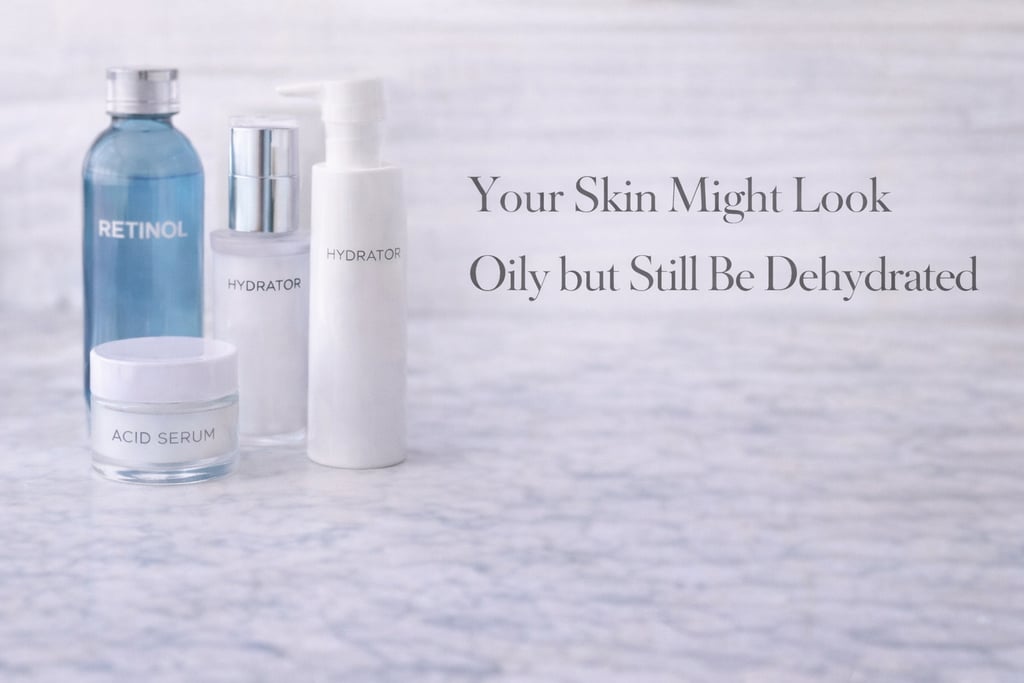
Your Skin Might Look Oily but Still Be Dehydrated
Oily skin can still be dehydrated. This article explains how dehydration affects skin behavior and how to restore balance without overloading products.
SKINCARE DEALS
1/10/20263 min read
Why oily skin and dehydration can exist together
Many people assume oily skin means hydrated skin. This assumption leads to routines that focus only on oil control.
In reality, oil and hydration are not the same thing.
Oil is sebum. Hydration is water. Skin can produce excess oil while still lacking water. When this happens, skin often feels greasy on the surface but tight underneath.
This imbalance creates confusion and frustration.
What dehydrated skin actually means
Dehydrated skin lacks water, not oil.
Water supports elasticity, comfort, and barrier function. When water levels drop, skin struggles to regulate itself.
In response, oil production may increase. This is the skin trying to protect itself.
More oil does not fix dehydration. It often makes symptoms worse.
Why dehydration triggers excess oil
When skin senses water loss, it attempts to compensate.
Sebum production increases to reduce evaporation. This creates a shiny surface but does not replace hydration.
The skin remains dehydrated beneath the oil layer.
This is why blotting and oil stripping often backfire.
How dehydration affects skin texture
Dehydrated skin often feels rough or uneven.
Fine lines appear more noticeable. Makeup settles oddly. Products absorb unpredictably.
These changes are often mistaken for signs of aging or congestion.
Restoring hydration often improves texture without adding heavy products.
Common habits that cause dehydration
Many daily habits contribute to dehydration.
Overcleansing removes water and lipids. Using harsh cleansers increases water loss.
Overexfoliation disrupts barrier function. Hot water accelerates evaporation.
Even weather and indoor heating affect hydration levels.
These factors add up slowly.
Why mattifying products can worsen the problem
Mattifying products absorb oil. They do not add water.
When used alone on dehydrated skin, they increase dryness beneath the surface.
Skin responds by producing more oil. This leads to a cycle of shine and tightness.
Balance is lost when oil control replaces hydration.
How dehydration changes product performance
Dehydrated skin absorbs products unevenly.
Some products sink in too fast. Others sit on the surface.
Active ingredients may feel stronger and more irritating.
This makes it hard to judge whether products are suitable.
Hydrated skin responds more predictably.
The role of the skin barrier
The skin barrier regulates water loss.
When the barrier is compromised, water escapes faster. Dehydration increases even with moisturizer use.
Barrier health determines how well hydration is retained.
Repairing the barrier often resolves dehydration symptoms.
Why moisturizers alone are not always enough
Many moisturizers focus on occlusion.
They seal the surface but do not add water.
Without humectants or hydration steps, moisture loss continues underneath.
Effective hydration requires both water attraction and barrier support.
How to recognize dehydrated oily skin
Signs include surface shine with underlying tightness.
Breakouts appear despite oil control efforts.
Skin feels uncomfortable after cleansing.
Makeup does not sit well.
These signals point toward water imbalance.
Why stripping oil delays improvement
Removing oil aggressively does not solve dehydration.
It worsens barrier damage and increases water loss.
This forces the skin to work harder to protect itself.
Gentler care allows balance to return.
Hydration supports oil regulation
When skin is properly hydrated, oil production often stabilizes.
The skin no longer needs to compensate.
This leads to less shine and fewer breakouts over time.
Hydration does not mean heaviness.
How hydration affects breakouts
Dehydrated skin sheds cells unevenly.
This can clog pores and contribute to breakouts.
Restoring hydration improves cell turnover and reduces congestion.
Breakout prone skin still needs water.
Environmental factors that worsen dehydration
Air conditioning and heating reduce humidity.
Sun exposure increases evaporation.
Wind disrupts barrier function.
These factors affect oily skin as much as dry skin.
Adjustments are often needed seasonally.
Why consistency matters more than intensity
Hydration improves gradually.
Using gentle products consistently supports balance.
Aggressive changes disrupt progress.
Quiet routines outperform dramatic ones.
How long it takes to see improvement
Hydration changes feel subtle at first.
Comfort improves before appearance.
Oil regulation stabilizes over weeks.
Patience allows results to build.
What balanced skin feels like
Skin feels comfortable after cleansing.
Oil production feels manageable.
Texture appears smoother.
Products absorb evenly.
These are signs of restored balance.
Final thoughts
Oily skin does not mean hydrated skin.
Dehydration often drives excess oil and irritation.
Supporting hydration restores balance without fighting the skin.
When water levels improve, oil often regulates itself.